
 See Our Latest Article on HelloNation

How Does Chiropractic Fit Into Holistic Wellness?
Chiropractic care is based on the understanding that the body functions as an interconnected system. In the context of holistic wellness, chiropractic emphasizes supporting the health of the entire person, not just addressing neck or back pain. Many local residents look to chiropractic as part of a broader strategy to manage discomfort, improve movement, and support overall well-being alongside other healthy habits.
In the city, area households often juggle jobs that involve outdoor labor, desk-based work, or caregiving—each with its own unique stresses on posture and musculoskeletal health. Chiropractic’s holistic approach can help address these challenges in coordination with lifestyle routines, nutrition, sleep, and stress management.
What Do Chiropractors Actually Do?
Chiropractors focus on diagnosing and managing conditions rooted in the spine, joints, and nervous system. The most recognized method is spinal adjustment, but this is only part of the picture. Care frequently includes:
- Gentle, hands-on spinal mobilization
- Joint and soft tissue therapies
- Guidance on posture, ergonomics, and daily movement
- Suggestions for flexibility or strengthening exercises
Unlike some assumptions, adjustments are rarely “one size fits all.” Care is adapted to the age, health status, and lifestyle of each individual. For area families, this might mean emphasizing safe, low-force techniques for older adults or accommodating children’s activity levels and growth stages.
Can Chiropractic Care Support Overall Wellness?
Yes—by promoting better mobility, reducing discomfort, and supporting healthy nervous system function, chiropractic care can play a role in overall well-being. Some local residents find that regular adjustments and supportive therapies contribute to:
- Easier movement during seasonal yard work or recreational activities
- Reduced frequency or intensity of tension headaches
- Improved awareness of posture during long drives, tech device use, or workdays
- Enhanced ability to participate in community events and favorite pastimes
While not a replacement for medical care when needed, chiropractic can complement other efforts—such as physical activity, nutrition, and stress reduction—that are essential to living well in the area.
What Questions Should Residents Ask About Chiropractic?
Before starting, it’s reasonable to wonder about safety and effectiveness. Evidence supports chiropractic as generally safe for most healthy adults and children when performed by a properly trained provider. However, certain health conditions may require modified techniques or alternative approaches.
Residents often ask:
- "Will this adjustment hurt?" — Minor soreness sometimes occurs, but techniques are designed to be as gentle as possible, especially for sensitive individuals.
- "Do I need X-rays?" — Imaging is only used when clinically justified; not every person needs X-rays before care.
- "How long before I notice benefits?" — Some people feel better after a few visits, while others need more time based on their health status and history.
Common Misconceptions About Chiropractic in the Community
Chiropractic is occasionally misunderstood. Here are some clarifications for local households:
- It is not only for back or neck pain; it can support wellness in areas like headaches, joint movement, and more.
- Chiropractic care is evidence-informed and regulated with ongoing training requirements.
- Many people use it alongside, not instead of, care from physicians, physical therapists, or other health specialists.
- Local chiropractors are trained to refer out to medical professionals if care falls outside their scope.
How Do Local Seasons and Routines Affect Musculoskeletal Health?
Changing weather, outdoor chores, and seasonal activities all impact spine and joint health. For example:
- Late winter might mean shoveling snow, increasing the risk of muscle strain in adults and older residents.
- Spring and summer bring gardening, biking, or hiking, stressing knees, hips, and shoulders.
- Many spend significant time driving on area roads or commuting to neighboring towns.
- Students and remote workers may experience increased neck tension from screen time in colder months.
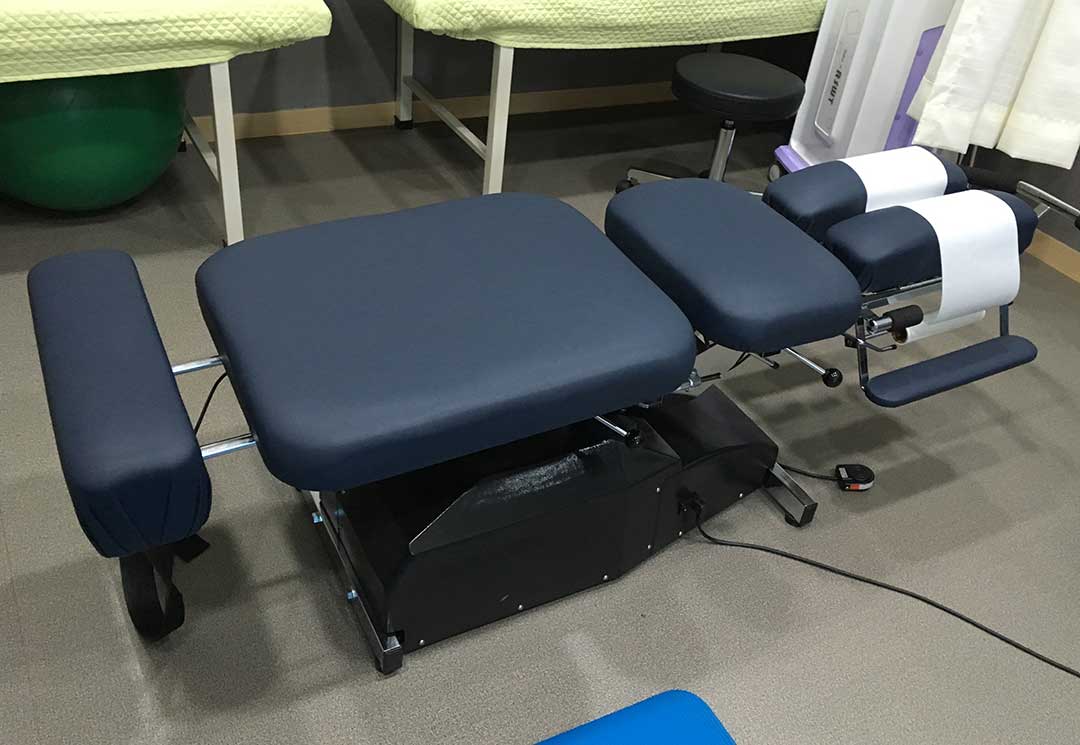
Chiropractic care that acknowledges these local routines can provide tailored advice to reduce injury risk, improve resilience, and support year-round activity.
What Should Be Expected From a Local Chiropractic Visit?
A typical first visit involves assessment of health history, day-to-day activity, and any relevant concerns. The chiropractor may conduct:
- Posture and mobility screenings
- Discussion of daily routines, sleep, and physical habits
- Recommendations for movement, workstation setup, or at-home stretching
Ongoing visits focus on tracking change over time and adjusting care as needed. Residents are encouraged to speak up about their goals—whether seeking relief from specific pain, hoping to stay active in retirement, or simply looking to support ongoing mobility.
When Is Chiropractic Not Appropriate?
Certain situations require traditional medical care or coordination with other professionals. Chiropractic care may not be suitable for:
- Acute injuries needing emergency treatment
- Some chronic health conditions affecting bone or nerve health, unless co-managed
- Symptoms like unexplained numbness, severe weakness, or sudden severe pain
In these cases, chiropractors collaborate with or refer individuals to the proper health resources.
How Does Chiropractic Work Together With Other Holistic Practices?
Chiropractic is most effective as part of an integrated view of health. Residents often combine it with:
- Regular physical activity (walking local trails, participating in recreation leagues)
- Nutritious, balanced meals drawn from home gardens or area farmers’ markets
- Mindfulness routines, sleep hygiene, and stress management techniques
This broad focus pairs chiropractic’s hands-on support with the ongoing lifestyle choices that build resilience for the varied pace and demands of life here.
