
 See Our Latest Article on HelloNation

Why Do Residents of Owego, NY Need to Care About Safe Lifting?
Back strain is one of the most common reasons for missed days at work and discomfort at home. In Owego, NY, many day-to-day activities—like yardwork, snow removal, or carrying groceries—can lead to unexpected back issues when lifting is done improperly. Practicing safe lifting is key for residents who want to stay active, whether managing large seasonal chores or helping neighbors move furniture.
What Happens to the Spine During Lifting?
Lifting puts pressure on spinal discs, muscles, and nerves. Bending or twisting the wrong way increases the load on the lower back, making it prone to sprains or herniated discs. Repetitive or sudden heavy lifting is especially risky. Most back injuries in area households come from underestimating the strain even common tasks can create.
Which Lifting Mistakes Do People in Owego Make Most Often?
Many local residents make these common errors:
- Bending at the waist instead of the knees
- Twisting while holding a heavy load
- Lifting with jerky or quick motions
- Trying to lift something that is too heavy alone
- Misjudging slippery or uneven surfaces, particularly during the winter
Each of these actions increases the chance of spine injury, especially given changing weather and ground conditions in Owego.
How Can You Use Proper Lifting Form?
Proper lifting puts the least stress on your back. The safest approach is:
- Stand with feet shoulder-width apart for balance.
- Squat down, bending at the hips and knees, not your back.
- Keep the object close to your body—this reduces the strain on spinal muscles.
- Maintain a straight, neutral spine. Avoid rounding your lower back.
- Tighten your core and lift with your leg muscles rather than your back.
- Move slowly and smoothly; avoid sudden jerks.
If lifting something with another person, coordinate your actions verbally to keep weight evenly distributed.
Are Special Precautions Needed in Owego Homes or Yards?
Owego's climate and housing patterns present unique scenarios. For example, snow and ice in driveways and yards increase the risk of slipping while lifting anything outdoors in winter. Basements and storage sheds often have narrow stairs or clutter, making it harder to maneuver safely. Preparing your lifting path—clearing obstacles, checking for slippery mud or ice, and using mats or rugs inside—reduces these risks.
When Should You Avoid Lifting Something?
Some situations call for extra caution or avoiding the lift altogether:
- If an object is too bulky, awkward, or clearly heavier than you can handle comfortably
- When you feel pain, numbness, or tingling during a lift—stop immediately
- If floors are wet, icy, or uneven, wait until safe footing can be ensured
- For objects stored in high or awkward places (attic, upper shelves), use a step stool instead of overstretching
In shared spaces, it’s often safer to ask a household member or neighbor for assistance, especially with large items like furniture or heavy storage bins.
What Tools Can Make Lifting Safer?
Several everyday items found in Owego homes can aid safer lifting:
- Hand trucks, dollies, or carts for moving boxes and bins
- Furniture sliders for heavy pieces on floors
- Straps or lifting aids that redistribute weight
- Snow shovels with ergonomic handles to prevent awkward bending
Reusing old blankets or towels to drag awkward objects across smooth surfaces often takes less toll on the back than trying to carry them.
How Do Age and Fitness Affect Lifting Safety?
Back strength, flexibility, and general fitness levels vary widely among Owego residents. Middle-aged and older adults, or those unaccustomed to regular activity, are at higher risk for strains. Before lifting, even moderate stretching and activating core muscles can reduce the likelihood of injury. For older adults, being realistic about limits and not rushing the process goes a long way toward preventing spine problems.
What Misconceptions Persist About “Back Safety” in the Community?
Several myths are common:
- Believing only heavy objects can injure the back—actually, awkward or repetitive light lifting can also cause problems.
- Thinking “lifting with the knees” alone is enough—full-body mechanics, including a straight spine and activated core, are essential.
- Relying on back supports or braces instead of good technique—these may give a false sense of security.
Education about body mechanics is the most effective way for local households to protect their spines.
What Should You Do If You Feel Back Pain After Lifting?
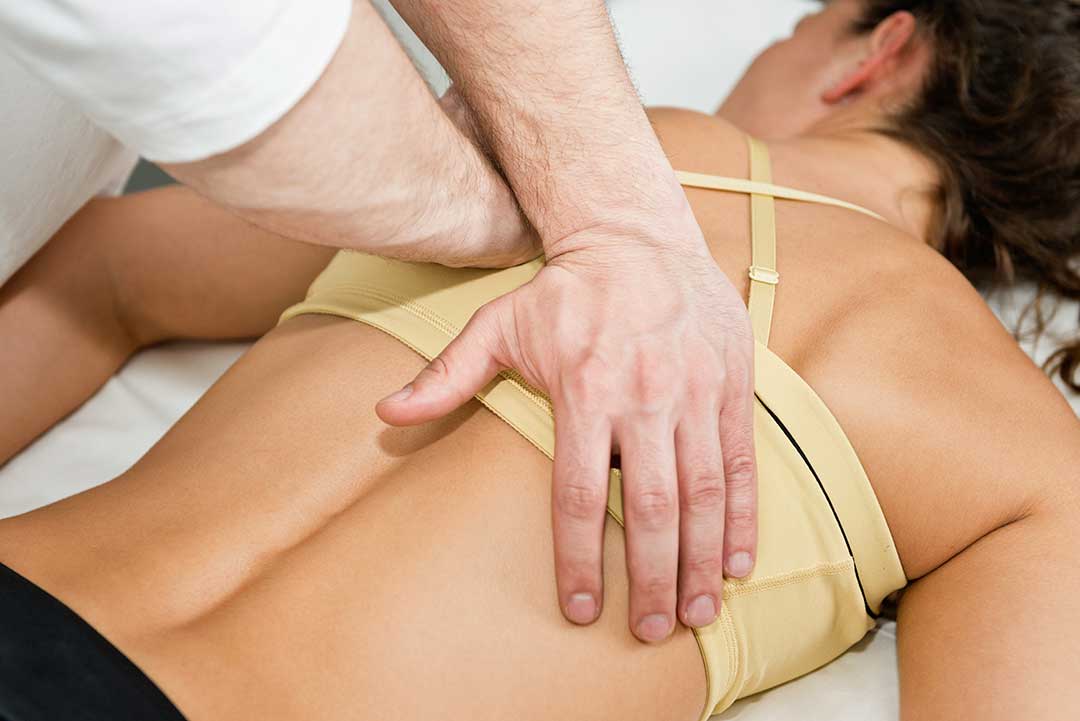
Brief soreness can be normal, but persistent pain, numbness, or tingling may signal a more serious injury. Residents are advised to rest, use ice or heat as needed, and avoid further heavy lifting until symptoms resolve. If pain is severe or ongoing, or if weakness in the legs occurs, this may require medical attention.
