
 See Our Latest Article on HelloNation

Are Most Cases of Back Pain Caused by Injury?
Most back pain does not come from obvious injuries. In Owego, NY, many local residents believe that back pain must mean a recent fall, heavy lifting, or accident. In reality, the majority of cases are related to daily wear and tear, aging, muscle tension, or minor strains from ordinary activities.
For example, bending to pick up laundry, prolonged sitting at work, or yard work can all lead to stiffness or discomfort—even if these actions don’t seem risky. Local climate factors, like icy sidewalks in winter or gardening in the spring, can add to the risk, but even without a major incident, back pain may arise. Only a small fraction of cases actually result from severe trauma or acute injury.
Does Rest Always Help Back Pain Heal?
Short-term rest may relieve discomfort, but too much inactivity can stall recovery. Many in the community assume “taking it easy” is the only option, especially during colder months when outdoor movement is limited. However, research consistently shows that gentle movement—such as walking around the block or mild stretching—helps most people recover faster than strict bed rest.
Remaining active within personal limits keeps muscles strong and joints flexible. Prolonged immobility, especially common during Owego’s winter, can lead to stiffness or lengthier healing. In rare cases of severe injury, rest is needed, but most everyday episodes of discomfort respond better to gradual activity.
Is Back Pain Always a Sign of Serious Medical Problems?
Back pain is common and usually not a sign of anything dangerous. Understandably, sharp or lingering pain can feel alarming, leading some in the area to worry about chronic or serious disease. However, most causes—such as muscle tension, poor posture, or mild arthritis—are common with age or overuse.
Some warning signs do merit prompt medical attention, including:
- Numbness or weakness in the legs
- Loss of bladder or bowel control
- Unexplained weight loss
- Fever with back pain
These symptoms are not typical for usual back pain and should be checked promptly. For routine aches and pains, self-care and basic prevention habits are more helpful than fear.
Will Cracking the Back Make It Worse?
The “cracking” or popping sound from stretching the back is usually not harmful. Many people in Owego worry that self-adjustment or natural joint sounds will cause more damage. This sound comes from gases moving within the joint fluid, not bones or discs being damaged.
Some people find gentle stretching eases stiffness. However, repeated attempts to force a crack, aggressive twisting, or using unsafe techniques can increase strain. If unsure about a movement or if it causes pain, sticking with gentle stretches and comfortable postures is safest at home.
Does Aging Mean Back Pain Is Inevitable?
Growing older does make some back discomfort more likely, but pain is not a guaranteed part of aging. Residents of Owego may notice more morning stiffness or slower recovery from physical activity as they age, but this does not mean severe or daily pain is unavoidable.
Many older adults remain active and mobile. Regular walking, gentle exercise, and good posture habits can help. The local community’s access to outdoor recreation spaces and support for low-impact fitness makes it easier for people of all ages to take preventative steps. Genetics, lifestyle, and overall health influence outcomes more than age alone.
Can Good Posture Prevent Back Pain Completely?
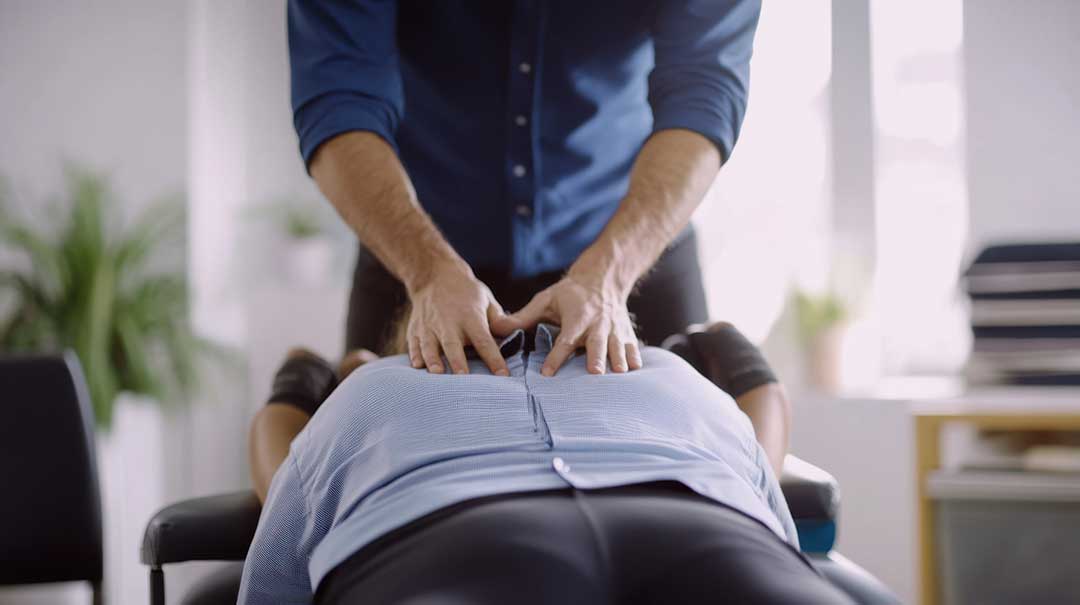
Good posture supports the spine, but it’s not a cure-all for back pain. Maintaining healthy posture helps, whether sitting at a local office, driving, or doing chores around the home. However, even with ideal alignment, muscle fatigue, stress, or repetitive tasks can still cause discomfort.
It’s helpful to:
- Change positions regularly—especially after long periods at a desk or watching TV
- Use supportive chairs
- Take breaks to stand or walk, particularly during the city’s colder months when indoor time increases
Good posture lowers risk but doesn’t eliminate the chance of discomfort entirely. It’s one piece of a bigger puzzle.
Is Surgery Often Needed for Back Pain?
Surgery is rarely required for most back pain. In Owego and beyond, people often fear that persistent or severe symptoms will mean surgery is inevitable. In truth, the vast majority of cases improve with conservative care, stretching, or physical activity.
Spinal surgery is generally reserved for issues like herniated discs with nerve compression severe enough to cause ongoing weakness, loss of bladder or bowel control, or when many months of other treatments have not helped. For most local residents, lifestyle adjustments and time prove far more effective and less risky than surgery.
Are Back Pain Myths Making It Harder to Recover Locally?
Holding onto common misconceptions can delay relief for many local residents. Beliefs such as needing complete rest, fearing all movement, or assuming the worst can make people less likely to stay active or trust gradual improvement.
By understanding the realities behind these myths, area households can better manage discomfort, prevent further issues, and support friends or family members facing similar concerns. An accurate understanding empowers the community to approach back pain with confidence and realistic expectations.
