
 See Our Latest Article on HelloNation
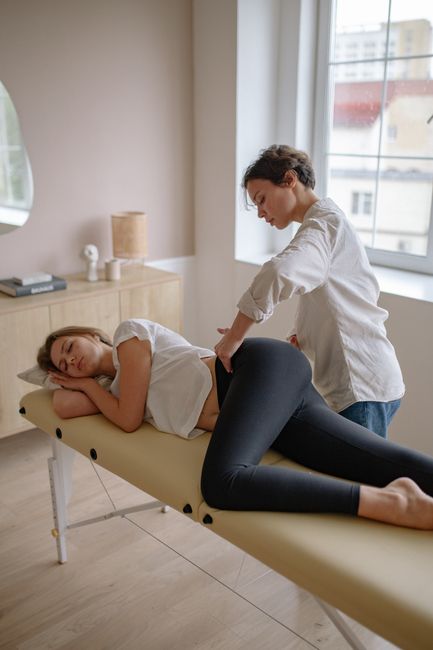
A little soreness after a chiropractic adjustment can be normal, especially after a first visit or treatment involving tight, irritated muscles. Mild discomfort, stiffness, tiredness, or a temporary increase in pain often improves within several hours to about one or two days.
That does not mean every symptom after an adjustment should be ignored. The severity, location, duration, and associated symptoms help distinguish an expected short-term reaction from a problem that needs medical attention.
What does normal soreness feel like?
Normal post-adjustment soreness usually feels similar to the mild muscle tenderness that can follow exercise or stretching. It may occur in the area that was treated, such as the lower back, neck, shoulders, or hips.
Common short-term reactions include:
- Mild aching or tenderness
- Temporary stiffness
- A feeling of fatigue
- Minor headache
- Slightly increased discomfort when moving
- Muscle tightness around the treated joint
These effects may appear within a few hours. They are more likely when the body is being introduced to a new movement pattern, when muscles were already tense, or when the adjustment involved an area that had been painful for some time.
A person who spends long periods sitting, performs physically demanding work, shovels snow, gardens, lifts household items, or remains active outdoors may also have muscle irritation that is separate from the adjustment itself. In a community with cold winters and changing seasonal activity, soreness may reflect both the treatment and the physical demands of the week.
How long should soreness last after an adjustment?
For most people, mild soreness should begin to settle within 24 hours and continue improving over the next day. Some people may notice minor symptoms for a couple of days, particularly after an initial treatment or when several areas were addressed.
The overall trend matters more than the exact number of hours. Soreness that gradually improves is generally less concerning than pain that steadily intensifies.
It can help to keep track of:
- When the discomfort began
- Whether it is improving, unchanged, or worsening
- Which movements increase it
- Whether numbness, weakness, dizziness, fever, or other symptoms appear
- Whether the pain is different from the original problem
If soreness is still significant after a few days, repeatedly occurs after treatment, or interferes with sleep and ordinary activities, the treatment plan should be reassessed by the treating clinician. A medical evaluation may also be appropriate, depending on the symptoms.
Why can an adjustment cause temporary discomfort?
An adjustment applies a controlled force or movement to a joint. The surrounding muscles, ligaments, and other tissues may respond with temporary tenderness, particularly if the area was stiff or guarded beforehand.
Several factors can influence the response:
- The body region treated
- The type and intensity of technique used
- Whether the person has had chiropractic care before
- Existing muscle tension or inflammation
- Recent lifting, falls, sports, yard work, or prolonged sitting
- Health conditions, medications, or previous injuries
Soreness is not proof that an adjustment “worked,” and the absence of soreness does not mean it was ineffective. People respond differently. Some feel looser immediately, while others notice little change at first or experience temporary tenderness before symptoms settle.
What can help mild soreness at home?
For ordinary, mild discomfort, gentle care is usually more appropriate than trying to force the area to move. Light walking can prevent excessive stiffness, while strenuous lifting or vigorous exercise may be worth avoiding until the soreness improves.
Helpful measures may include:
- Drinking fluids normally and eating regular meals
- Using comfortable, easy movement rather than prolonged bed rest
- Applying a warm or cool compress, depending on which feels better
- Supporting the neck or back comfortably during sleep
- Following specific aftercare instructions provided during the visit
- Avoiding repeated self-adjusting or forceful stretching
Over-the-counter pain medicine may not be appropriate for everyone, particularly for people with kidney disease, stomach ulcers, blood-thinning medication, medication allergies, pregnancy, or other medical conditions. A pharmacist or medical clinician can help determine whether a medicine is safe.
When is soreness a warning sign?
Severe, unusual, or rapidly worsening pain is not a typical response that should simply be watched at home. Prompt medical advice is appropriate if discomfort is intense, does not begin improving, or is accompanied by symptoms suggesting nerve, spinal, vascular, or systemic problems.
Seek urgent medical care for symptoms such as:
- New or worsening weakness in an arm or leg
- Numbness that spreads or does not go away
- Loss of coordination or difficulty walking
- Loss of bladder or bowel control
- Severe headache, fainting, confusion, or trouble speaking
- Vision changes, severe dizziness, or difficulty swallowing
- Chest pain, shortness of breath, or unexplained sweating
- Fever, significant swelling, or signs of infection
- Pain after a major fall, collision, or other injury
Neck-related symptoms deserve particular caution. Serious complications after spinal manipulation are rare, but sudden neurological symptoms require emergency evaluation rather than another adjustment or home treatment.
Should a person continue care if an adjustment caused soreness?
Not automatically. Mild, brief soreness may not require stopping care, but the reaction should be reported before another treatment. The clinician may change the technique, reduce the intensity, treat a different area, or determine that another form of care is more suitable.
A thorough health history matters. Conditions such as severe osteoporosis, certain spinal disorders, active cancer involving the spine, recent surgery, significant nerve symptoms, or an increased risk of stroke may affect whether manipulation is appropriate. Numbness, tingling, or loss of strength should be discussed before treatment rather than after symptoms worsen.
People should also mention blood-thinning medication, recent injuries, pregnancy, inflammatory conditions, and any new diagnosis. These details can change the safety considerations.
How can Owego residents prepare for an adjustment?
Preparation does not need to be complicated. Wearing comfortable clothing, describing the exact location and character of the pain, and mentioning recent physical activity can make the visit more informative.
It is useful to explain whether symptoms began after:
- Snow removal or winter slipping hazards
- Yard work or gardening
- A long drive or extended computer use
- Moving furniture or lifting household items
- A sports activity or workplace task
- A fall, collision, or sudden twist
Afterward, allow enough time to notice how the body responds before returning to demanding activity. A person who feels lightheaded, unusually weak, or significantly worse should not drive until feeling safe and alert.
Mild soreness can be a temporary response after chiropractic care, but it should be limited, understandable, and improving. Severe symptoms, neurological changes, or pain that continues to worsen require medical attention rather than being treated as routine post-adjustment discomfort.
