
 See Our Latest Article on HelloNation
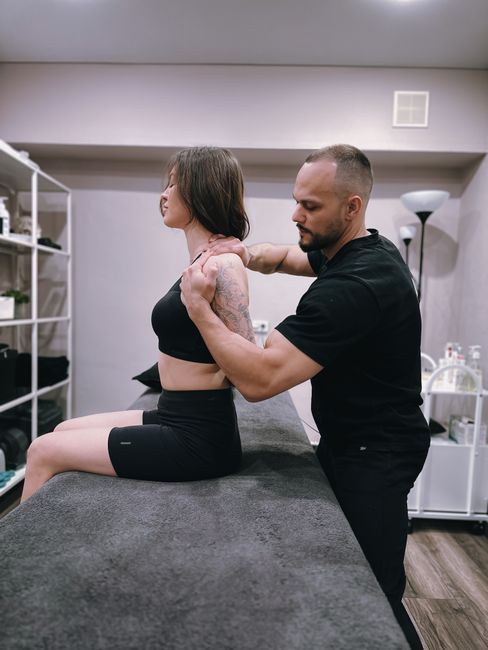
Are chiropractic care and physical therapy the same?
No. Chiropractic care and physical therapy can overlap, but they generally emphasize different parts of recovery.
Chiropractic care often focuses on the relationship between the spine, joints, muscles, nerves, and movement. Treatment may include spinal or joint manipulation, mobilization, soft-tissue techniques, posture guidance, and advice about daily activity.
Physical therapy is centered on restoring movement, strength, balance, coordination, and physical function. A physical therapist may use therapeutic exercise, manual therapy, stretching, movement retraining, and functional practice for activities at home, work, recreation, or sports.
The two approaches are not automatically interchangeable. A person with back pain may benefit from one, the other, both, or a different type of medical evaluation depending on the cause of the symptoms.
What does chiropractic care typically address?
Chiropractic care commonly addresses musculoskeletal problems involving the back, neck, joints, and surrounding soft tissues. People may seek evaluation for issues such as:
- Low-back pain
- Neck stiffness
- Certain types of headaches related to the neck
- Joint discomfort
- Muscle tightness
- Reduced spinal or joint mobility
- Pain that developed after lifting, repetitive activity, or a minor strain
A chiropractic examination may include a health history, movement assessment, neurological screening, and evaluation of posture or joint function. Treatment is then selected based on the findings rather than on the assumption that every symptom requires the same technique.
Spinal manipulation is only one possible approach. Some people receive gentler mobilization, soft-tissue work, exercise instruction, ergonomic advice, or a combination of methods.
What does physical therapy add?
Physical therapy is particularly focused on what a person can and cannot do. The goal may be to walk more comfortably, climb stairs, return to work, lift safely, improve balance, or resume an activity that has been limited by pain.
A physical therapy plan may include:
- Strengthening weak muscle groups
- Improving flexibility and joint range of motion
- Training balance and coordination
- Practicing safer lifting or reaching
- Rebuilding endurance after illness, injury, or surgery
- Learning a home exercise program
- Gradually returning to household, work, or recreational activities
This active component is one of the clearest differences between short-term symptom relief and longer-term functional improvement. Hands-on care may make movement easier, but exercise and repeated practice help the body maintain those gains.
For example, someone with recurring low-back pain might receive manual treatment to reduce stiffness and then work on hip strength, trunk control, lifting technique, and daily movement habits through physical therapy.
Can someone receive both types of care?
Yes, but combined care should have a clear purpose. Chiropractic care and physical therapy may complement each other when treatment plans address different needs and the providers understand what the other is doing.
A coordinated plan might look like this:
1. One practitioner evaluates pain, joint mobility, and possible contributing factors.
2. Hands-on treatment is used when appropriate to reduce discomfort or improve movement.
3. Physical therapy builds strength, control, endurance, and confidence.
4. Progress is monitored so treatment changes as function improves.
Receiving multiple treatments does not necessarily mean recovery will be faster. More care is not always better care. Duplicate exercises, conflicting restrictions, or frequent passive treatment without active rehabilitation can create confusion. Patients should keep each provider informed about treatments, medications, imaging, surgeries, and changes in symptoms.
Which approach is better for back or neck pain?
There is no single answer because back and neck pain have many causes. The better starting point depends on the symptoms, how long they have lasted, the person’s health history, and the effect on daily activities.
Chiropractic evaluation may be useful for someone whose main concern is spinal or joint stiffness, restricted movement, or uncomplicated musculoskeletal pain.
Physical therapy may be especially useful when weakness, poor balance, limited endurance, movement coordination problems, or difficulty performing everyday tasks are central concerns.
Many people need a combination of education, gradual activity, exercise, and symptom management. Imaging is not automatically necessary for every episode of back or neck pain. A qualified clinician can determine whether the symptoms suggest a routine musculoskeletal problem or require medical testing.
What should residents consider during local seasonal activities?
Life in Owego includes seasonal changes that can affect movement patterns. Winter conditions may lead to shoveling, slipping, carrying awkward loads, or spending more time sitting indoors. Spring cleanup, gardening, home maintenance, and recreational activities can place sudden demands on the back, shoulders, knees, and hands.
The problem is often not one specific movement but a rapid increase in activity after a period of relative inactivity. Helpful precautions include:
- Warm up before strenuous outdoor work.
- Use smaller loads rather than trying to move heavy snow, soil, or equipment at once.
- Alternate tasks to avoid repeated twisting or overhead work.
- Keep frequently used household items at manageable heights.
- Increase exercise gradually after an inactive season.
- Stop or modify an activity if pain becomes sharp, spreading, or progressively worse.
These strategies do not replace evaluation when symptoms are persistent or severe, but they can reduce unnecessary strain.
Are there situations where manipulation or exercise should be avoided?
Treatment should be modified or delayed when a person has warning signs that may indicate a condition requiring medical assessment. Prompt medical attention is appropriate for symptoms such as:
- New loss of bowel or bladder control
- Severe or progressive weakness
- Numbness in the groin or inner thighs
- Significant loss of coordination
- Fever with severe back pain
- Unexplained weight loss
- Major trauma
- Severe pain with a history of cancer, serious infection, or a weakened immune system
- Chest pain, shortness of breath, or symptoms suggesting a heart or vascular problem
Neck manipulation also requires careful screening. People should disclose recent trauma, unusual severe headaches, neurological symptoms, vascular conditions, blood-clotting concerns, and all relevant medications before treatment.
Mild temporary soreness, stiffness, or increased discomfort can occur after manual treatment. Symptoms that are severe, unusual, worsening, or accompanied by neurological changes should not be ignored.
How can someone choose the right starting point?
Start with the main problem rather than the treatment label. Ask:
- Is the biggest issue pain, weakness, stiffness, balance, or loss of function?
- Did the problem follow an injury, surgery, illness, or a gradual change?
- Are symptoms improving, staying the same, or worsening?
- Is there numbness, tingling, weakness, fever, or unexplained weight loss?
- What activities need to become easier?
A person whose symptoms are mild, mechanical, and improving may begin with conservative care and movement guidance. Someone with significant weakness, neurological symptoms, major trauma, or unexplained pain may need medical evaluation before hands-on treatment or exercise.
The most useful care is usually the care that matches the diagnosis, includes clear explanations, and gives the person a safe path toward normal activity. Chiropractic treatment and physical therapy can each play a role, but neither should be viewed as a universal solution for every type of pain.
